
In theaters, concert halls and auditoriums, seating is not simply somewhere to sit — it affects the viewing experience and safe evacuation. For the manufacturers who produce this specialised seating, the production methods, material choices and design decisions determine comfort, durability and safety.
Theater and auditorium chairs form a specialised branch of public seating. Manufacturing involves metal fabrication, timber work, upholstery and flame-retardant treatment. Unlike office or domestic chairs, this type must simultaneously provide long-duration sitting support, suit the acoustic environment, fold for emergency evacuation and meet fire retardancy requirements.
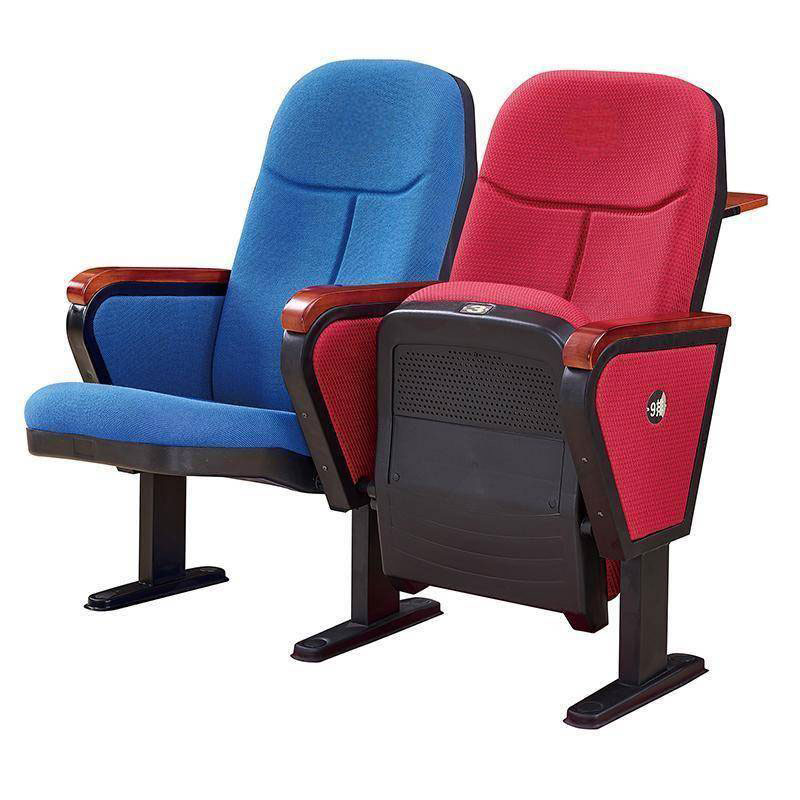
On materials, frames are usually cold-rolled steel or aluminium alloy — the former cost-effective and strong, the latter lighter and corrosion-resistant. Upholstery is typically flame-retardant knitted fabric or leather, filled with high-resilience foam, and some higher-end models add a memory foam layer for more even support. Foam density in the seat and back has to be sufficient for the cushion to resist collapsing under long-term compression.
The production process falls into roughly five steps. First, frame stamping and welding: sheet metal is stamped to shape, parts are joined by CO2 shielded welding, then ground and treated against rust. Second, the timber inner frame: the wooden carcass that carries the seat and back is usually multi-ply board, dried, cut and assembled before being joined to the metal frame. Third, upholstery: cut foam is bonded to the inner frame, wrapped in fabric and fixed with air staples, with edges closed off neatly. Fourth, the tipping mechanism: most theater chairs fold back automatically, and the precision of the spring or damper directly affects long-term reliability. Finally, final inspection, covering appearance, mechanical performance and flame-retardancy testing.
Several dimensions need particular attention at the design stage. The first is ergonomics: seat height, seat depth, back angle and armrest height must suit the general population — typically a seat height of 400–450 mm, seat depth of 450–500 mm and a back angle of 95–105 degrees. The second is sightlines: row spacing and step height are calculated so that no rear-row viewer is blocked by the row ahead. The third is acoustics: the upholstered area and the sound absorption coefficient of the materials affect hall reverberation time, so some projects specify particular acoustic performance.
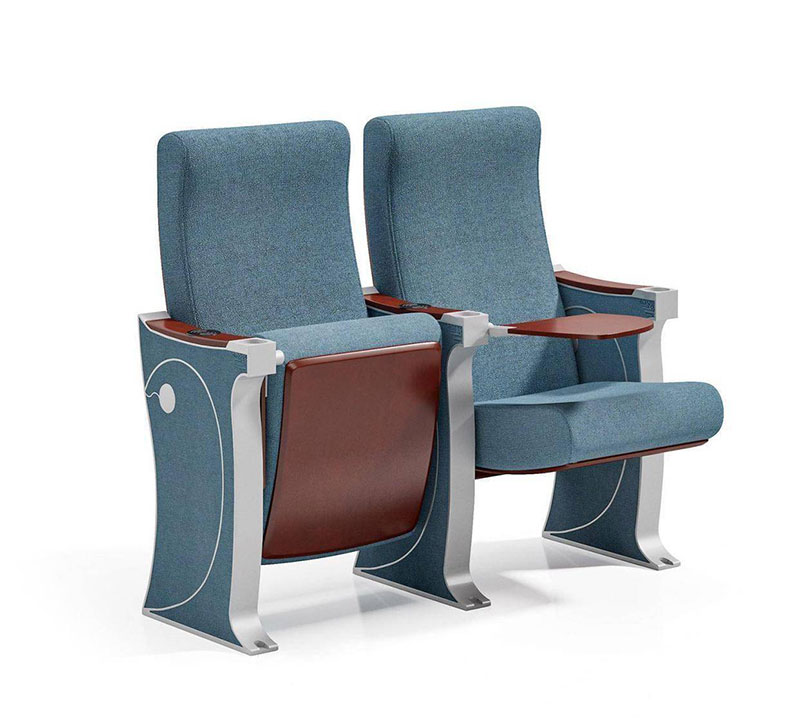
Requirements differ by venue. Seats supplied to a drama theater, for example, may prioritise silence, using damped tipping mechanisms so that a rising audience does not disturb the performance. Multi-purpose halls may need writing tablets, cup holders or storage to serve meetings and events. Cinema seating usually adds seat numbering and cup holders built into the armrests — details that reflect the degree of specialisation behind the product.
Technology trends are worth watching. More manufacturers are adopting CNC stamping, robotic welding and automated lines to improve consistency and output. Environmentally preferable materials are spreading, such as water-based adhesives replacing solvent-based ones and the use of recycled fabrics. Modular design is also gaining ground, letting components be combined and replaced flexibly, which lowers the operator's long-term cost.
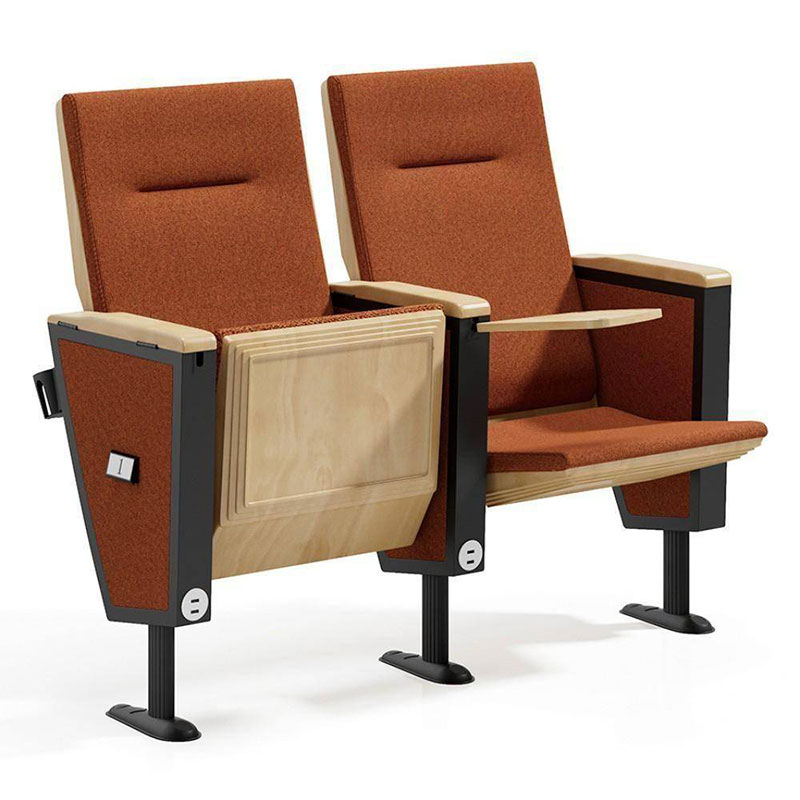
In short, the value of a specialist auditorium chair manufacturer lies in combining materials science, ergonomics, safety regulations and production craft to supply public cultural spaces with seating that meets professional standards. Understanding these basics helps project owners and operators make sharper choices — and makes the design logic and safety thinking behind a theater chair visible at a technical level.