In theaters, auditoriums and tiered classrooms, linked row seating is not merely a carrier for the audience — it is where the function and the aesthetics of a space meet. Through precise design, material innovation and end-to-end service, manufacturers of row seating deliver bespoke solutions for different venues, and have become an important force behind the quality of public space.
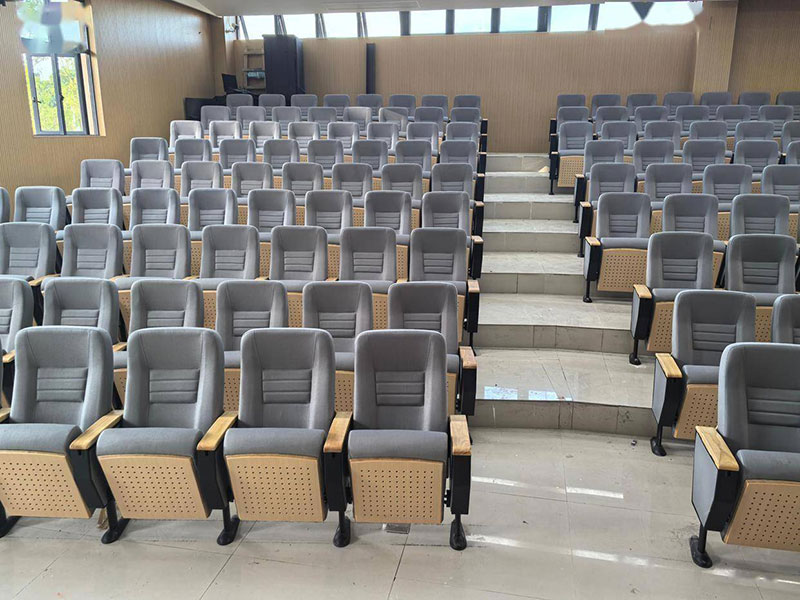
1. From Design to Delivery: The Core Process
Making row seating is not simple assembly — it is a full chain covering space planning, structural design and production delivery. Taking auditorium chairs as an example, the manufacturer has to work from the floor rake, sightline obstruction and evacuation routes, optimising the seating layout angle through 3D modelling so that every seat has a clear view. Tiered row seating has to balance load capacity against weight, using a high-strength alloy frame and breathable mesh to keep it safe while improving comfort.
In production, automation has raised precision considerably. Laser cutting holds metal components to millimetre tolerances, robotic welding keeps the frame structurally sound, and water-based coating meets both appearance and health standards. From raw material processing to final assembly, every operation passes mechanical testing and flame-retardancy checks, so the product can cope with heavy use.
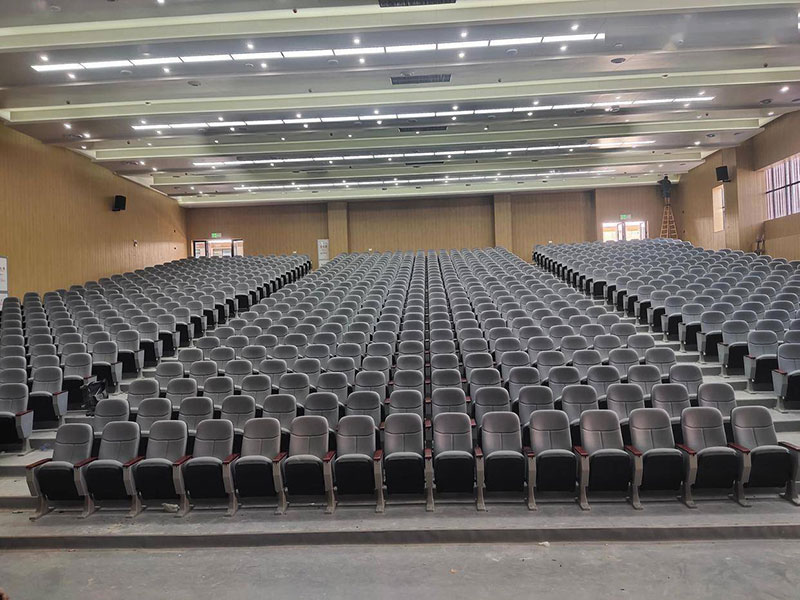
2. Three Innovation Directions
Modular design improves spatial adaptability. Modern row seating has broken away from the fixed model: detachable armrests and folding tablets let one room switch between meetings, screenings and exams. Some manufacturers have developed a "quick-install" seating system that can reconfigure a hundred-seat auditorium within eight hours.
Smart functions extend what seating can do. Integrated charging ports, wireless charging modules and concealed LED lighting are becoming standard in high-end venues. Some products also carry pressure sensors that monitor seat occupancy in real time, giving venue operators data to work with.
Green materials are driving the sustainability trend. Leading companies are among the first to use recycled plastics and bamboo-fibre composites, combined with low-VOC coating to cut carbon at source. One manufacturer, for example, developed a bio-based polyurethane cushion that reduces energy consumption by 30% while keeping its resilience.
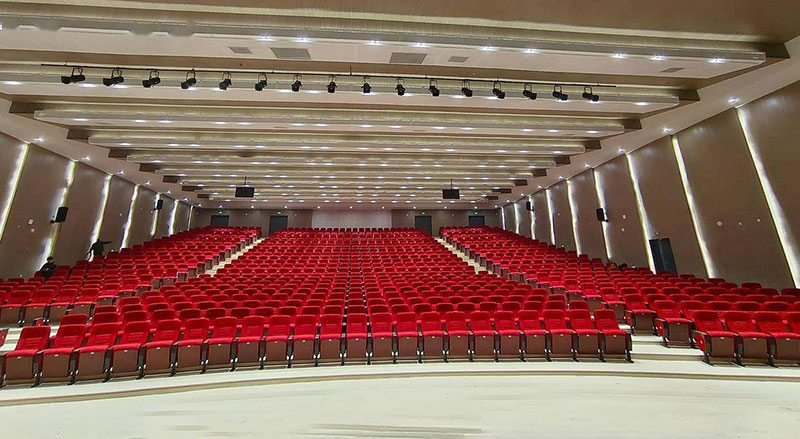
3. Service Upgrade: The Value of a Full-Lifecycle Solution
Competitiveness rests on the full service process as much as on the product. From early space survey and bespoke design, through volume production and logistics, to installation, commissioning and maintenance, professional manufacturers use digital management systems to join the stages together seamlessly. One company developed an AR pre-installation system that lets clients preview the seating layout on a phone, substantially lowering the cost of deciding.
In after-sales, rapid response has become the industry norm. Leading companies maintain nationwide service points, commit to attending site within 24 hours, and provide lifetime maintenance and spare parts replacement. This turnkey model removes the customer's worries about later operation.
Row seating manufacturers are redefining how public space is experienced, through technical innovation and service upgrades. Moving from traditional manufacturing to intelligent manufacturing demands not only core process knowledge but a deep understanding of user needs in each scenario. For buyers, choosing a supplier with full-category capability and full-lifecycle service is the key decision in raising the value of a space.