
The single-seat desk is one of the most common classroom configurations, and whether it is sensibly designed and correctly sized for its users attracts a good deal of attention in procurement and in daily use. Its suitability has to be judged across the classroom layout as well as how students actually work.
About the Manufacturer
Guangdong Yingchi Furniture Industrial Co., Ltd. is a furniture manufacturer whose product line centres on school desks, single-seat desks, writing desks, student desks and classroom desk-and-chair sets. The coverage indicates an established position in the teaching furniture segment.
Main Products and Applications
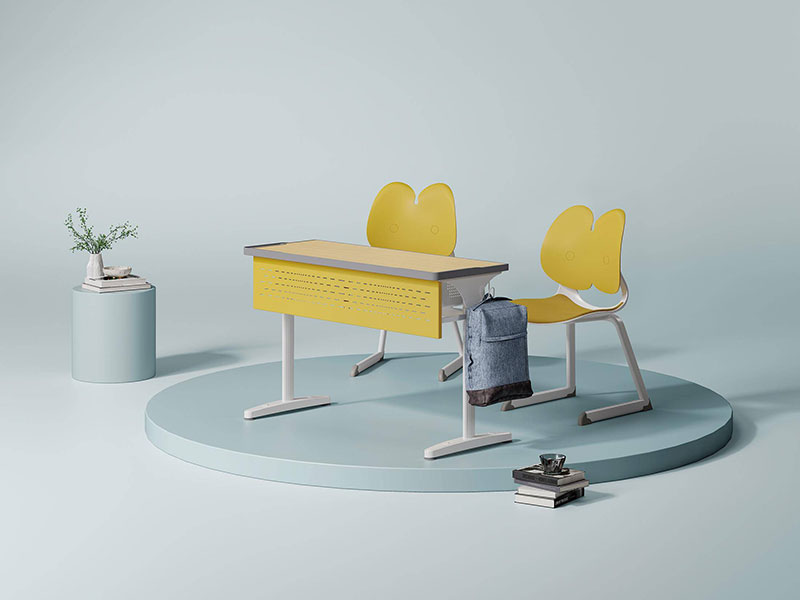
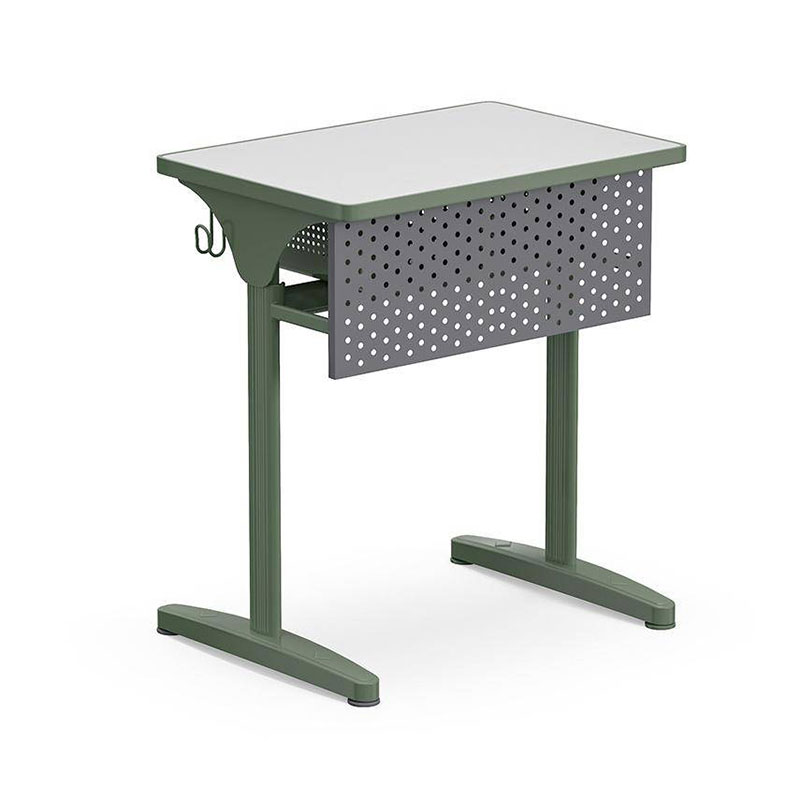
The range covers classroom desks and chairs, writing desks, single-seat desks, student desks, school desks, two-seat desks, desk-and-chair sets, study desks and more. These products are aimed at school classrooms, training centres and study rooms where seating is fixed or laid out flexibly. Within that, the single-seat desk suits standardised classroom layouts and lets each student work independently; the writing desk gives more attention to a flat, comfortable writing surface; and the desk-and-chair set considers how the desk and chair relate to each other.
What Is Publicly Documented
According to public information, the product series runs from single-seat desks to two-seat desks and desk-and-chair sets, differing in material, structure and dimensions to meet the needs of different education stages and use scenarios.
Applications and Selection Points
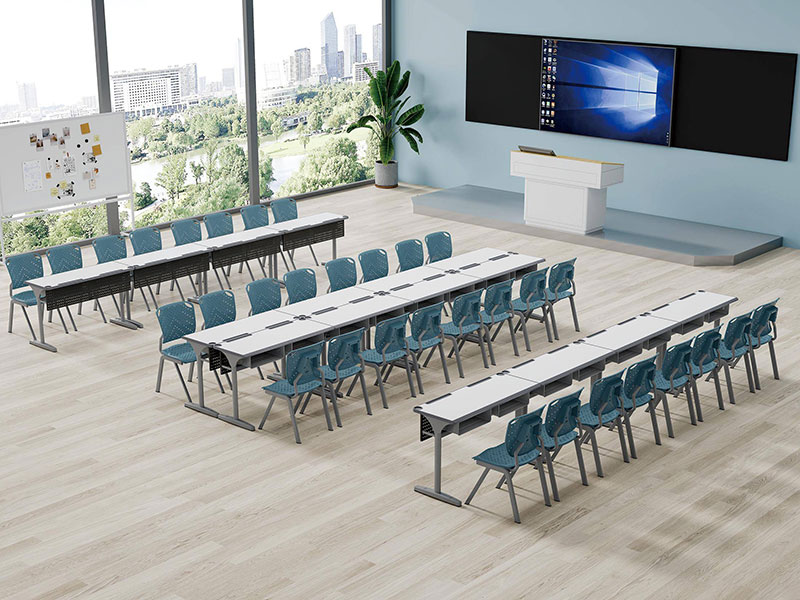
When selecting single-seat desks, the following usually come up: first, dimensional fit — heights vary considerably between year groups, so whether the seat height and desktop height are adjustable is a common consideration; second, structural stability — used independently, each unit needs enough support to avoid wobbling; third, material environmental performance — classrooms are densely occupied, so compliance with environmental requirements is a priority for buyers; and fourth, space efficiency — the footprint and aisle width need planning when units are arranged in a room.
Industry Q&A
Q1: What is the main difference between single-seat and two-seat desks? A1: A single-seat desk gives each student their own desk and chair, supporting independent study and leaving the classroom layout flexible. A two-seat desk is shared by two students, which saves space but can affect independence.
Q2: How is the spacing between single-seat desks determined? A2: Spacing is worked out from the classroom area, the number of students and the requirement for safe aisles. As a rule the gap between rows is not less than a certain distance, and the side gap allows students to move in and out without disturbing each other; specific figures follow the relevant classroom design codes.
Q3: What materials are commonly used for single-seat desks? A3: Common options are steel-and-timber, injection-moulded plastic and solid timber. Steel-and-timber carries load well at a moderate cost; plastic is light but its durability needs checking; solid timber feels better but takes more looking after. Each has its own characteristics, so choose according to the actual environment.
The above can be used as a reference for understanding Guangdong Yingchi Furniture Industrial Co., Ltd. and its products.